
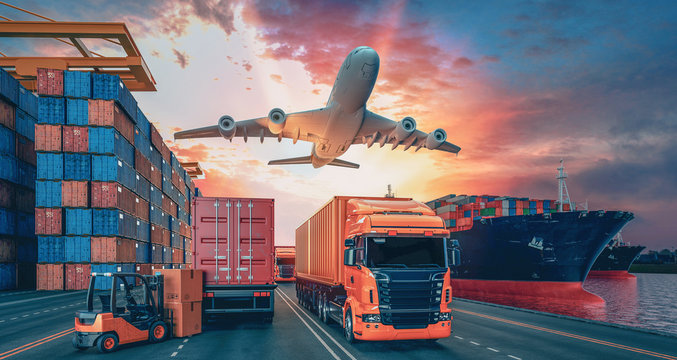
Transport and logistics are the backbone of the global economy. Every product we use—from food and medicine to technology and raw materials—relies on efficient supply chains that move goods across cities, countries, and continents. As global demand continues to grow, the logistics industry faces both unprecedented opportunities and complex challenges.
One of the most significant transformations in our sector is the acceleration of digitalization. Advanced data analytics, artificial intelligence, and real-time tracking technologies are reshaping how companies manage supply chains. These innovations enable better route optimization, predictive maintenance, and improved visibility across the entire logistics network. The result is not only increased efficiency but also greater reliability for customers.
Sustainability is another critical priority for the future of transport. As an industry, we must actively reduce our environmental footprint. This means investing in greener fleets, adopting alternative fuels, optimizing logistics networks to minimize empty miles, and collaborating with partners who share a commitment to responsible operations. Sustainable logistics is no longer optional—it is a strategic necessity.
At the same time, resilience has become a key focus. Global disruptions over the past few years have demonstrated how vulnerable supply chains can be. Companies must design logistics systems that are flexible, diversified, and capable of adapting quickly to changing circumstances. Technology, collaboration, and strategic planning all play essential roles in achieving this resilience.
However, innovation alone is not enough. The real strength of the transport and logistics sector lies in its people—the drivers, engineers, planners, and logistics professionals who ensure that goods move safely and efficiently every day. Investing in talent, training, and modern working environments is fundamental to the long-term success of our industry.
Looking ahead, the future of logistics will be defined by smarter networks, sustainable practices, and stronger collaboration across the entire supply chain ecosystem. Organizations that embrace innovation while maintaining operational excellence will lead the next era of global transport.
As leaders in this industry, we have a responsibility not only to move goods but also to shape a logistics system that is efficient, sustainable, and resilient for generations to come.